
Building a Strong Brand in Poker

Integrating Brand Marketing, Product Marketing, and Growth Marketing In the competitive world of poker, building a strong brand can mean the difference between sustained success and disappearing into the crowd. Just like in any other industry, marketing principles are critical to establishing a strong and sustainable presence. We’ll explore how the concepts of Brand Marketing, Product Marketing, and Growth Marketing can be effectively applied. Brand Marketing In poker, it goes beyond just having a flashy logo or a memorable name. It’s about building an identity that resonates with players and draws them to your platform, tournaments, or content. Defining your mission and values clearly communicates the purpose behind your brand. Are you community-focused? Focused on innovation? Or committed to technical excellence? After that, creating a consistent voice involves developing a unique and coherent language that reflects your brand in all player interactions, from social media posts to live streams. Finally, cultivating an engaged community involves building genuine relationships with your players. Encourage interaction and the sharing of experiences between players. Product Marketing Your product is more than just the tables and tournaments you offer. It encompasses the entire player experience, from the user interface to customer support. Here are some strategies to highlight your product: It’s important to identify your differentiator. For example, what makes the platform you work on or the service you offer unique? It could be an intuitive interface, a variety of games, or excellent security features. Then, demonstrate value by highlighting the benefits your platform offers players, such as welcome bonuses, loyalty programs, or game analysis tools. This will ensure consistent quality. Always be vigilant about the quality of your product. Fix bugs quickly, implement player feedback, and always look for ways to improve. Growth Marketing Finally, Growth Marketing is essential to expanding your player base and increasing brand awareness. First, you can explore strategic partnerships such as collaborating with influencers, popular poker sites, or like-minded organizations to reach new audiences and strengthen your credibility. Optimize your SEO and content marketing, producing high-quality content that not only attracts players but also improves your search engine rankings and establishes your authority in the industry. Building a strong poker brand doesn’t happen overnight. It requires a constant commitment to excellence, innovation, and, above all, player satisfaction. By integrating the principles of branding, product marketing, and growth marketing, you can create a lasting and meaningful presence in the poker world.
Marketing Indicators to Maximize the Impact of Your Poker Club

In the world of marketing, understanding the reach and effectiveness of our strategies is essential. After all, how can we improve if we can’t measure? That’s why marketing metrics play a crucial role. Let’s explore some of these metrics and understand how they can guide us in the right direction. Awareness – The first step in winning the audience’s hearts is reaching them. Measuring awareness is critical, and we can do this by looking at reach, follower count, and views. These numbers provide a clear view of how many people are aware of our brand and our messages. Consideration – Once we capture the audience’s attention, we want them to take action. This is where the consideration metric comes in. The number of clicks on our ads or content is a strong signal that we are successfully engaging the audience and motivating them to learn more about what we offer. Preference – It’s not enough to just attract clicks; we want people to choose our brand. By analyzing how many people who clicked on our content actually prefer our brand compared to the competition, we can better understand the impact of our messages and how much they resonate with our target audience. Perception – In addition to numbers, we must also listen to what people say about us. Perception is measured through social listening, reading comments, and observing how many times our content is saved and shared. These indicators help us understand how our brand is perceived by the public and whether we are generating a positive impact. Loyalty – Last but not least, comes loyalty. The true measure of success is how much our audience is willing to support us. In times of controversy, who stands up for us? Who continues to choose our brand repeatedly? These are the true indicators of loyalty and should be valued as such. In short, marketing indicators are not just numbers on a chart; they are the key to unlocking the full potential of our marketing strategy. By understanding and interpreting these indicators, we can adjust our strategies, win the audience’s hearts, and achieve the desired success.
The world’s top poker tournaments
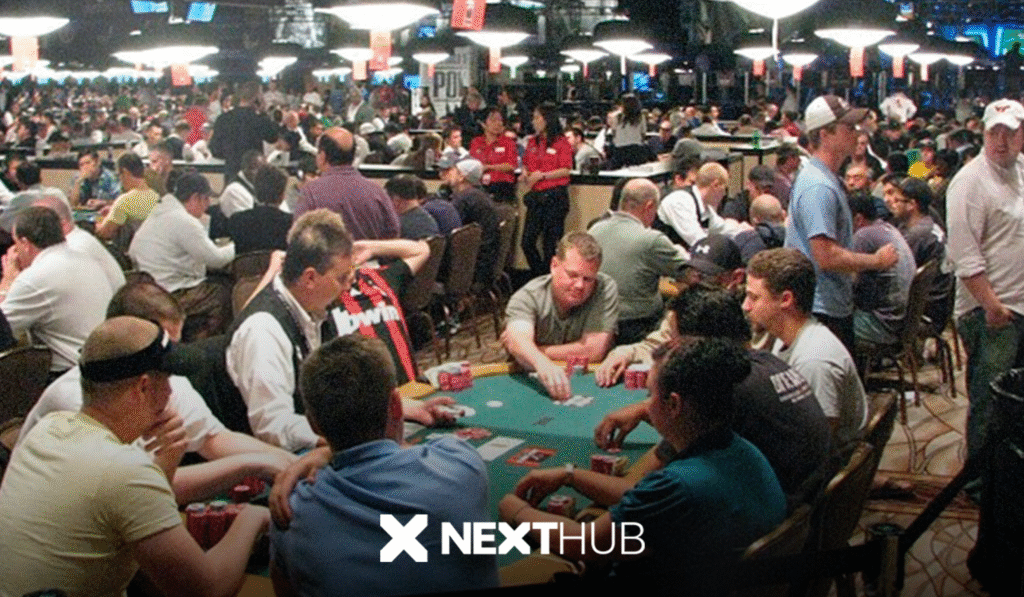
In the vast world of poker, few events can rival the prestige and grandeur of major international tournaments. World Series of Poker (WSOP) Located in Las Vegas, it is widely recognized as the pinnacle of competitive poker. With a series of events culminating in the legendary Main Event, it attracts players from all over the world in pursuit of glory and million-dollar prizes. The WSOP Main Event, in particular, is known for its rich history and the thrill of watching the best players compete for a share of the massive cash prize. World Poker Tour (WPT) Meanwhile, it brings the excitement of poker to various locations around the world. With tournaments held in cities such as Las Vegas, Los Angeles, London, and Barcelona, it offers players the opportunity to compete in high-level events and win substantial prizes. The generous prize structure and the quality of the competition make the WPT one of the most prestigious circuits in the world of poker. European Poker Tour (EPT) It’s considered the premier poker circuit. With stops in glamorous destinations like Monte Carlo, Barcelona, and Prague, it attracts elite players from across the continent and beyond. EPT tournaments are known for their impeccable organization, the variety of events available, and the vibrant atmosphere that surrounds every game. PokerStars Caribbean Adventure (PCA) It offers a unique experience by combining competitive poker with the luxury of the Bahamas. Organized by PokerStars, the PCA attracts players of all skill levels to compete in a heavenly setting. In addition to the main tournament, participants can enjoy a series of side events and exclusive activities. partypoker LIVE MILLIONS It stands out for its impressive guaranteed prize pools and the exciting competition it offers. With events held all over the world, it gives players the opportunity to compete in some of the biggest tournaments on the poker circuit. Regardless of where you’re located, the partypoker LIVE MILLIONS is a must-visit for players looking for exciting challenges and substantial prizes. In short, the world’s biggest poker tournaments represent the pinnacle of competition on the international stage. With massive prize pools, generous prize structures, and the participation of the world’s best players, these events are true spectacles that captivate players and sports fans alike.
The Pillars of Brand Strategy for Poker Clubs
When it comes to the success of any company, brand strategy stands out as the essential foundation. It not only guides brand-related actions but is also responsible for increasing awareness, building customer loyalty, and creating advocates. In this analysis, I want to highlight the importance of brand strategy as a transformative element, turning abstract indicators into tangible results for the business. Brand Promise A promise is the commitment a brand makes to its customers. It must be fulfilled in every interaction, at every touchpoint, regardless of the product or service offered. It is the essence that instills trust and builds strong relationships with consumers. Audience The audience is the epicenter of any brand strategy. They are the people for whom your products or services will generate value across the board. A deep understanding of their needs, desires, and concerns is essential to creating a genuine and lasting connection. Brand Positioning Positioning is the statement of differentiation that defines a brand’s identity. It answers three fundamental questions: who does the company serve, what benefits does it offer, and how does it do so uniquely? This is what makes a brand memorable, making it stand out amidst fierce market competition. However, an effective brand strategy isn’t limited to these pillars alone. Execution and organizational alignment are equally crucial. All departments and employees must be aligned with the brand’s vision, mission, and values, working together to ensure the success of the brand strategy at all levels of the company. In short, brand strategy is not just an abstract concept. By focusing on the brand promise, audience, and positioning, and ensuring cohesive execution and organizational alignment, companies can establish a solid foundation for sustainable growth and lasting excellence.
How to Protect Your Business from Social Media Instabilities

In today’s digital world, being on social media is key to the success of any business. However, recent events have shown how dangerous it can be to rely on just one platform. Therefore, it is crucial to diversify your online presence. It protects you against social media instabilities and ensures the stability of your business. Recent technical failures on Instagram, WhatsApp, and Facebook remind us that no business is immune to the risks of relying solely on one digital platform. These issues can mean lost sales, customer interactions, and brand visibility, which in turn can cause significant revenue losses. To reduce these risks, expanding your online presence is key. This means being present on different digital platforms, such as social media, blogs, websites, and other channels important to your industry. By doing so, you not only reduce your dependence on a single platform but also expand your reach and diversify your sources of traffic and potential customers. The first step to effectively diversifying your online presence is to create a solid strategic plan. This involves identifying the most suitable platforms for your business and your audience, and then developing content tailored to each. It’s also crucial to regularly monitor the performance of your channels and adjust your strategy as needed to achieve the best results. Finally, it’s important to consider collaborating with digital marketing professionals. They can help you create and implement a comprehensive strategy for your online presence. These experts can provide you with specialized knowledge and additional resources to boost your online impact and protect your business from the ups and downs and challenges of social media. In short, diversifying your online presence is crucial to protect your business and maintain a strong connection with your audience in the changing digital world. Don’t get stuck on just one platform; instead, expand your reach and increase your resilience by being active on multiple channels. This way, you’ll be better prepared to face challenges and take advantage of online growth opportunities. Don’t miss out and start diversifying your online presence today! Are you ready to protect your business and expand your online presence? Contact us now and let’s work together on a comprehensive digital marketing strategy to take your business to the next level!
The greatest poker champions of the moment!
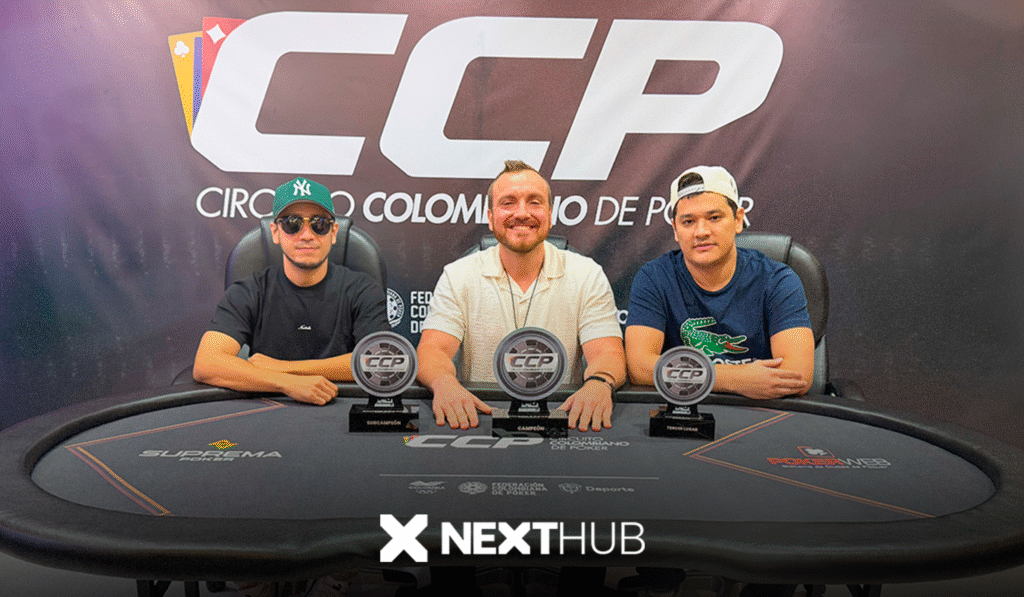
Poker is a mental sport that has captivated millions around the world in this exciting game of skill and strategy. Bryn Kenney tops the list, with an impressive record of over $65 million in career prize money. He’s closely followed by Justin Bonomo, also from the United States, with nearly $63 million in earnings. However, diversity is also evident in this select group. The talented Englishman Stephen Chidwick and Canadian Daniel Negreanu demonstrate that poker excellence transcends borders, occupying prominent positions in the rankings. Regarding Brazilian representation, Yuri Martins stands out as the highest ranked player, ranking 267th with earnings close to $6 million in live tournaments. Below is the top 10 of the most moneyed players in poker history, according to the renowned website The Hendon Mob, which specializes in mind-sport statistics: Bryn Kenney (USA) – $65,075,692 Justin Bonomo (USA) – $62,927,482 Stephen Chidwick (ENG) – $54,433,921 Jason Koon (USA) – $52,603,008 Daniel Negreanu (CAN) – $51,537,001 Dan Smith (USA) – $49,484,216 Isaac Haxton (USA) – $45,336,014 David Peters (USA) – $43,779,422 dollars Erik Seidel (USA) – $43,725,427 dollars Mikita Bodyakovsky (BLR) – $43,518,716 dollars Poker continues to be one of the most exciting and lucrative sports in the world, and these champions are proof of that. Follow their exploits closely and enjoy the fascinating world of poker!
Texas Hold’em Essential Strategies and Tips
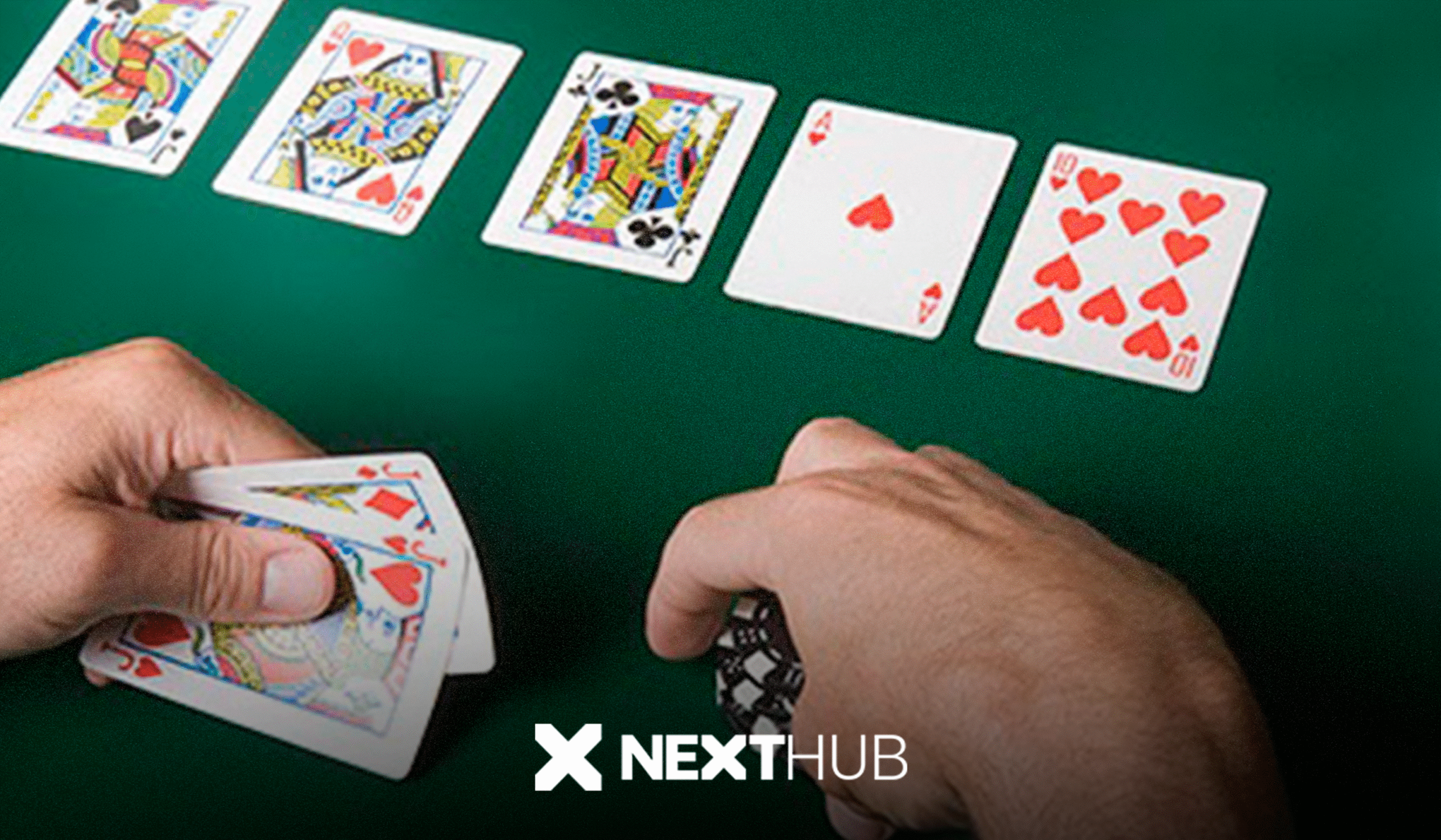
If you’re into poker, you’ve probably heard of Texas Hold’em. This exciting and strategic card game has captivated players everywhere, from local poker rooms to international championships. In this article, we’ll explore fundamental Texas Hold’em strategies that can take your game to the next level. Before delving into advanced strategies, it’s crucial to have a solid understanding of the basic rules of Texas Hold’em. The game is played with a standard 52-card deck and can involve anywhere from 2 to 10 players. Each player receives two hole cards, known as “hole cards,” and over several betting rounds, five community cards are dealt. One of the key strategies in Texas Hold’em is position control. Being in late position, such as on or near the button, confers a considerable advantage, as you have more information about others’ plays before making your decision. Use this advantage to play larger hands and pressure the bets. Observing and understanding your opponents’ betting patterns and behaviors is crucial in Texas Hold’em. This allows for more accurate readings and more informed decisions. Pay attention to clues such as bet sizes, decision time, and facial expressions to identify patterns and exploit your opponents’ weaknesses. Another key strategy is proper bankroll and risk management. Avoid risking a significant amount of your bankroll in a single hand or session. Maintain a disciplined approach to your bets and limits to ensure sustainable bankroll management over time. In addition to playing strategies, it’s important to consider search engine optimization (SEO) when writing about poker, especially Texas Hold’em. Incorporating relevant keywords, such as “Texas Hold’em strategies,” “poker tips,” “Texas Hold’em position,” and others, can increase your content’s visibility online and attract more readers interested in the subject. Texas Hold’em is a fascinating game that combines skill, strategy, and excitement. Mastering fundamental strategies, such as position control, reading opponents, and bankroll management, can result in more consistent and successful plays at the poker tables. Also, remember to apply SEO techniques to reach a wider audience of poker enthusiasts. Did you like these tips? Share this article with other poker enthusiasts and continue honing your Texas Hold’em skills!
Common Strategies for Success
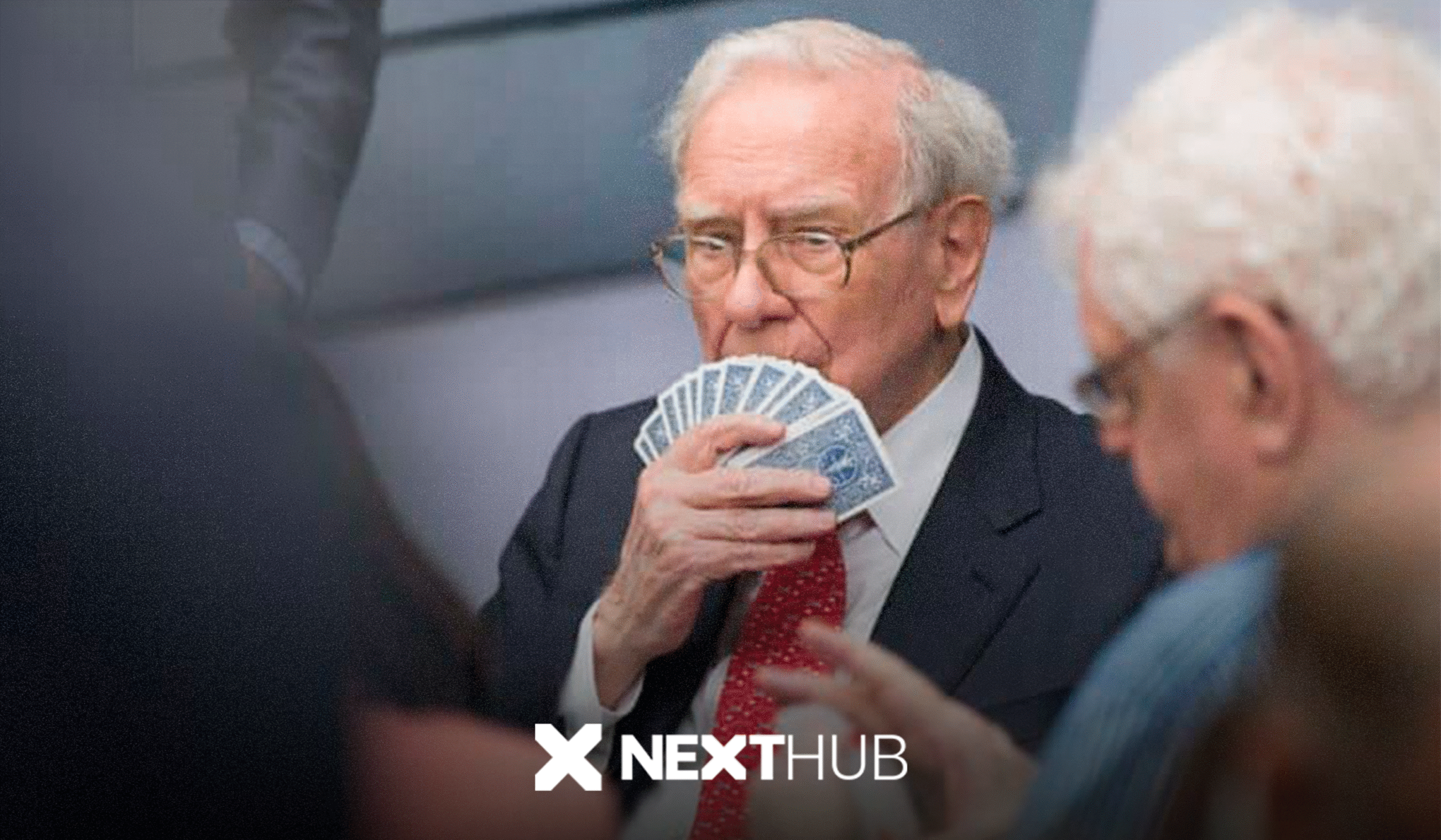
Have you ever thought about how much poker and finance have in common? Although at first glance they seem completely different, the truth is that there are many strategies and skills that apply to both. Let’s chat a little about how poker principles can help you in the financial world and vice versa. In poker, every time you play a hand, you’re taking a risk. You have to analyze the odds of winning with the cards you’re holding and decide how much you want to bet. The same thing happens in finance. Investors assess risks before putting their money into a stock or project. Knowing how to manage risks is essential to avoiding losses and maximizing profits. One of the biggest similarities between poker and finance is making decisions with limited information. In a poker game, you don’t know what cards the other players are holding. In investing, you never have all the information about a company or the market. Learning to make decisions under these uncertain conditions is crucial to success. Poker is a game where staying calm is essential. If you let your emotions get the better of you, you’re likely to make costly mistakes. The same thing happens in finance. Decisions based on fear or greed often lead to poor results. Keeping a cool head and following a well-thought-out strategy is key in both poker and investing. In both worlds, strategy is everything. In poker, successful players have a plan based on their opponents’ tendencies and probabilities. In finance, successful investors develop diversified, long-term investment plans. Good planning and disciplined execution are essential for success. You never stop learning, both in poker and in finance. Good poker players are constantly improving their skills, learning new strategies, and analyzing their games. In the financial world, ongoing education about markets, financial products, and economic trends is vital to staying competitive. Poker and finance, although different, share many important principles. Risk management, decision-making with incomplete information, emotional control, strategy, and continuous learning are essential skills in both fields. Applying these poker lessons to finance can improve your investment approach and increase your chances of success.
The Most Common Poker Beginner Mistakes and How to Avoid Them
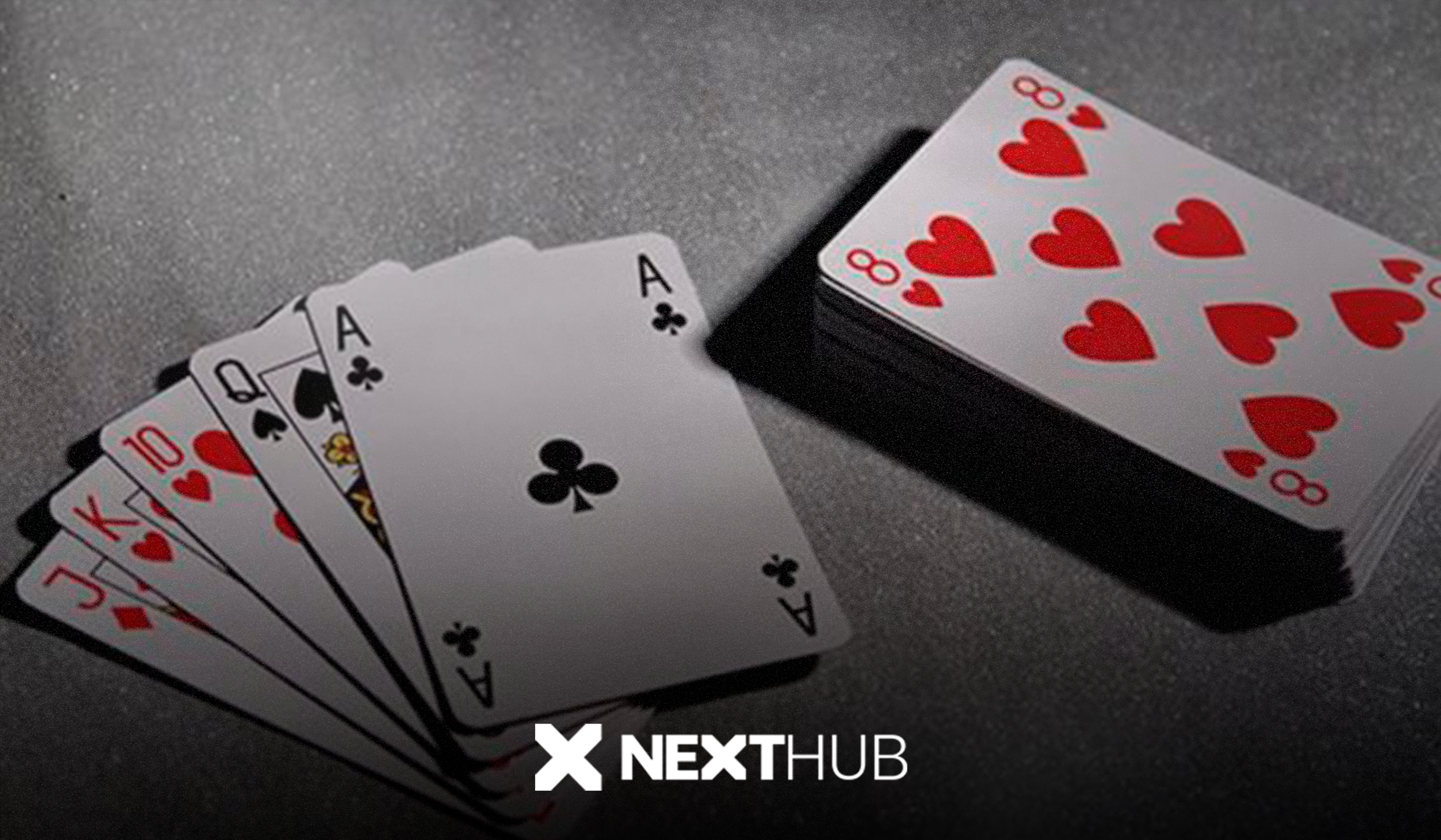
Poker is a game that combines skill, strategy, and a bit of luck. For beginners, it can be challenging to avoid common pitfalls that can compromise their performance at the table. In this article, we’ll explore the most common mistakes made by poker newbies and how to avoid them, helping you improve your game and achieve better results. 1. Playing Too Many Hands Mistake: Many beginners fall into the trap of playing an excessive number of hands, believing they need to be constantly in action to win. How to Avoid: Adopt a more selective strategy and only play strong hands or those with potential for improvement after the flop. Learning about table position and starting hand ranges can help you make more informed decisions. 2. Underestimating the Importance of Position Mistake: Not understanding the importance of table position can lead to hasty decisions and unnecessary losses. How to Avoid: Always consider your position before making a decision. Playing in late position offers a significant advantage, as you have more information about your opponents’ actions. 3. Ignoring Bet Sizing Mistake: Betting too little or too much can give opponents valuable information about the strength of your hand. How to Avoid: Study and practice bet management. Adjust your bet sizes according to your hand strength and the texture of the board. Consistent betting can confuse opponents and prevent them from reading your strategy. 4. Not Knowing When to Fold Mistake: Getting emotionally attached to a hand and not knowing when to fold can result in significant losses. How to Avoid: Learn to objectively assess the strength of your hand in relation to your opponents’ actions. If the situation seems unfavorable, don’t be afraid to fold and preserve your chips for a better opportunity. 5. Playing Emotionally Mistake: Allowing emotions to control your decisions is a common mistake among beginners, leading to impulsive and irrational plays. How to Avoid It: Stay calm and focused during the game. If you feel yourself becoming emotional, take a break and return to the table only when you are mentally ready to play rationally. 6. Lack of Study and Practice Mistake: Believing that playing regularly is enough to improve at poker is a mistake. How to Avoid It: Spend time studying the game’s theory, read books, watch educational videos, and participate in discussion forums. Practice consistently and review your hands to identify and correct mistakes. 7. Not Managing Your Bankroll Properly Mistake: Playing outside your bankroll can quickly lead to bankruptcy. How to Avoid It: Set a specific poker budget and don’t exceed it. Play at limits that are comfortable for your bankroll and avoid the risk of losing it all at once. Conclusion Avoiding these common mistakes can make a significant difference in a beginner’s poker journey. Remember that poker is a game of patience and continuous learning. With practice and discipline, it’s possible to minimize mistakes and become a more competitive and successful player. For more tips and advanced strategies, follow our blog and improve your poker skills.
How Poker Can Improve Your Financial Management Skills

Poker isn’t just a card game; it’s an experience that can offer valuable life lessons, especially in financial management. From bankroll management to decision-making under pressure, poker teaches skills that can be transferred to managing your personal finances. In this article, we’ll explore how poker can improve your financial management skills and help you make smarter decisions with your money. 1. Bankroll Management Lesson: In poker, proper bankroll management is crucial for long-term survival. Successful players know how much they can risk in each session without compromising their total bankroll. Financial Application: Similarly, in life, it’s essential to maintain a budget and make sure you don’t spend more than you can afford. Setting clear limits for different expenses can help you avoid debt and save for the future. 2. Risk and Reward Assessment Lesson: Every poker hand involves an assessment of risks and rewards. Players should consider the probabilities of success and potential profits before making decisions. Financial Application: In financial management, it’s critical to evaluate investments and opportunities in the same way. Before making an investment, consider the risks and potential rewards, and make sure they align with your long-term financial goals. 3. Emotional Control Lesson: Poker requires strict emotional control. Players who act on impulse or let emotions influence their decisions often lose. Financial Application: Staying calm and making rational decisions is equally important in financial management. Avoid impulsive money decisions, such as emotional purchases or panic investments. 4. Decision-Making Under Pressure Lesson: In poker, you often have to make quick decisions under pressure, based on limited information. Financial Application: Financial life can also present situations where you need to make quick decisions. Developing the ability to analyze quickly and make informed decisions can be very beneficial. 5. Adaptability and Flexibility Lesson: Poker is a dynamic game where conditions are constantly changing. Successful players are those who can adapt to new situations and adjust their strategies. Financial Application: Life and finances are also unpredictable. Being flexible and adapting to changes in your financial circumstances, such as job loss or unexpected expenses, will help you maintain stability. 6. Discipline and Patience Lesson: Poker requires discipline and patience. Players must wait for the right moment to act and not rush into things. Financial Application: Discipline and patience are equally essential in financial management. Save regularly, invest for the long term, and avoid seeking quick profits. Conclusion Poker is more than a game; it’s an educational tool that can significantly improve your financial management skills. By applying the lessons learned at the poker table to your personal finances, you can make more informed decisions, better control your spending, and achieve your long-term financial goals. For more tips on how to improve your financial skills and poker strategies, stay tuned for our blog.