
How to buy cryptocurrency on Binance P2P
You can buy cryptocurrency on the Binance P2P website with just a few clicks. How to buy cryptocurrency on the Binance P2P website? Log in to your Binance account and click [Trade] – [P2P]. Before trading on the P2P market, you’ll need to add your preferred payment methods. Select either the [Express] or [P2P] trade zone. The [Express] zone automatically matches the counterparty for you, while in the [P2P] zone, you can select your own seller to trade with. Express Zone Select the fiat currency you want to use and the cryptocurrency you want to buy. Enter the amount of fiat currency you want to use, and the system will automatically calculate the amount of cryptocurrency you will receive. Click [Buy with 0 Fee]. Select your payment method and click [Confirm Purchase]. P2P Zone Select the cryptocurrency you want to buy. You can filter all P2P ads using the filters. For example, use 100 EUR to buy USDT. Click [Buy] next to the chosen offer. Confirm the fiat currency you want to use and the cryptocurrency you want to buy. Enter the amount of fiat you want to use, and the system will automatically calculate the amount of cryptocurrency you will receive. Click [Buy]. You will see the seller’s payment details. Transfer the funds to the seller’s account using the chosen payment method within the deadline. You can use the [Chat] feature on the right to contact the seller directly. After making the transfer, click [Transferred, notify seller] and [Confirm payment]. Important Notice: You must transfer the payment directly to the seller via bank transfer or other payment platforms using the payment information provided by the seller. If you have already paid the seller, do not click [Cancel] unless you have already received the refund from the seller in your payment account. Do not click [Transferred, Notify Seller] or [Confirm Payment] unless you have already paid the seller. Once the seller confirms your payment, they will release the cryptocurrency and the transaction will be completed. You can click [View My Balance] to view your assets. If you do not receive the cryptocurrency within 15 minutes of clicking [Confirm Payment], you can click [Resource] to contact Customer Support agents for assistance. Please note that you are not allowed to have more than two orders in progress at the same time. You must complete the existing order before opening a new one.
How to deposit cryptocurrency on the Binance website
You can deposit cryptocurrency on the Binance P2P site with just a few clicks. Log in to your Binance account and click [Deposit]. Click [Deposit Cryptocurrency] on the side panel. You’ll be redirected to the “Deposit Cryptocurrency” page. Select the cryptocurrency you wish to deposit, for example, USDT. Choose the deposit network. Make sure the network you select matches the network of the platform you’re withdrawing funds from. If you select the wrong network, your funds may be lost and cannot be recovered. You’ll see a QR code and the deposit address for the selected network. Click the copy icon to copy the deposit address and then paste it into the address field of the platform from which you plan to withdraw cryptocurrency. You can also right-click the QR code to save it as an image and then import it into the address field on the withdrawal platform. You can also select which wallet you want to deposit funds to by clicking [Spot Wallet] next to [Selected Wallet]. Choose either Spot Wallet or Funding Wallet and click [Confirm]. After confirming the deposit order, your transfer will be processed. Confirmation time may vary depending on the blockchain and network traffic at the time of the request. Once confirmed, the funds will be credited to your Binance account immediately.
P2P Cryptocurrency Trading: What It Means

P2P, or “peer-to-peer,” trading refers to direct transactions between buyers and sellers in the cryptocurrency market. Unlike traditional exchanges, there are no intermediaries. This model offers more control and customization in transactions. P2P exchanges operate like Facebook Marketplace, connecting buyers and sellers. Security is a strong point thanks to feedback systems and history. It is possible to exchange cryptocurrencies for cash, although this varies by country. P2P trading has advantages such as minimal fees, greater control over transactions, and flexible methods. Advantages Minimal fees: One of the main benefits of P2P trading is the savings on trading fees, as there are no intermediaries charging for their services. Some P2P exchanges even offer fee-free transactions, providing further advantages to investors. Greater control: Trading P2P means you “call the shots,” meaning traders have more control over the terms of the transaction, from fees to who they trade with. This allows for even greater customization of the investment strategy. More flexible methods: Fiat currencies are just one of the payment methods on P2P exchanges, as many brokerages accept other methods such as bank transfers, debit and credit cards, cryptocurrencies, and even PayPal. Brokerages adapt to users’ needs and offer different payment methods, providing flexibility and accessibility to clients.
How to withdraw cryptocurrency on the Binance website
You can withdraw cryptocurrency on the Binance P2P site in just a few clicks. Log in to your Binance account and click [Wallet] – [Overview]. Click [Withdraw]. Select the cryptocurrency you wish to withdraw, for example, BNB. The system will automatically select the appropriate network. Double-check that the selected network matches the network of the platform you are withdrawing funds to. If you select the wrong network, your funds may be lost and cannot be recovered. Enter the amount you wish to withdraw and you will see the network fee and the final amount you will receive. You can choose to use funds from your Spot Wallet or Funding Wallet. Click [Withdraw]. The system will ask you to confirm your network selection. Double-check that the selected network matches the network of the platform you are withdrawing funds to. If you select the wrong network, your funds may be lost and cannot be recovered. Click [Confirm] to continue. Carefully verify the withdrawal details before clicking [Continue]. Important note: If you enter incorrect information or select the wrong network, your assets may be lost and cannot be recovered. Verify that the information is correct before confirming the transaction. Confirm the transaction with two-factor authentication (2FA). After confirming the withdrawal request, wait patiently for the transfer process.
Finance in Poker
Understanding Return on Investment at the Tables Poker, often viewed as a game of skill, strategy, and, for some, a livelihood, has a financial dimension that cannot be ignored. Proper bankroll management and understanding Return on Investment (ROI) are essential for those seeking success and longevity at the tables. In this article, we’ll outline the importance of these concepts and best practices for optimizing your poker winnings. What is ROI in Poker? ROI, or Return on Investment, is a metric used across various industries to measure profitability. In the context of poker, it refers to the percentage of profit or loss relative to the amount invested in tournaments or cash games. A positive ROI indicates a profitable player, while a negative ROI suggests the opposite. The Importance of Bankroll Management Properly managing your bankroll is the cornerstone of successful poker play. This involves: Determining Your Bankroll Size: Decide how much money you’re willing to invest in poker. This amount should be a sum you can afford to lose without affecting your financial stability. Playing Within Your Limits: Avoid the temptation to play at tables or tournaments with buy-ins that represent a large portion of your bankroll. As a general rule, many players avoid spending more than 1-2% of their bankroll in a single tournament. Regularly Reassess: Review your bankroll and adjust your playing limits as needed. If you’re performing well, you may be able to afford to play at higher limits. If not, it may be time to move down a level. Maximizing Your ROI Continuing Education: The world of poker is constantly evolving. Spend time studying, watching videos, participating in forums, and learning from more experienced players. Hand Analysis: Regularly review the hands you’ve played, identifying mistakes and areas for improvement. Maintain Discipline: Emotional gambling can be devastating to your ROI. Learn to recognize and manage your emotions at the table. Use Support Software: There are many tools and programs available to help you analyze your game, track your ROI, and improve your strategy. Conclusion Success in poker goes beyond good cards and well-executed strategies. Sound financial management is the foundation that allows players to overcome adversity, take advantage of opportunities, and ultimately achieve a positive return on their investment. Remember: in poker, as with any investment, it is essential to understand your numbers and play smart.
Common Strategies for Success
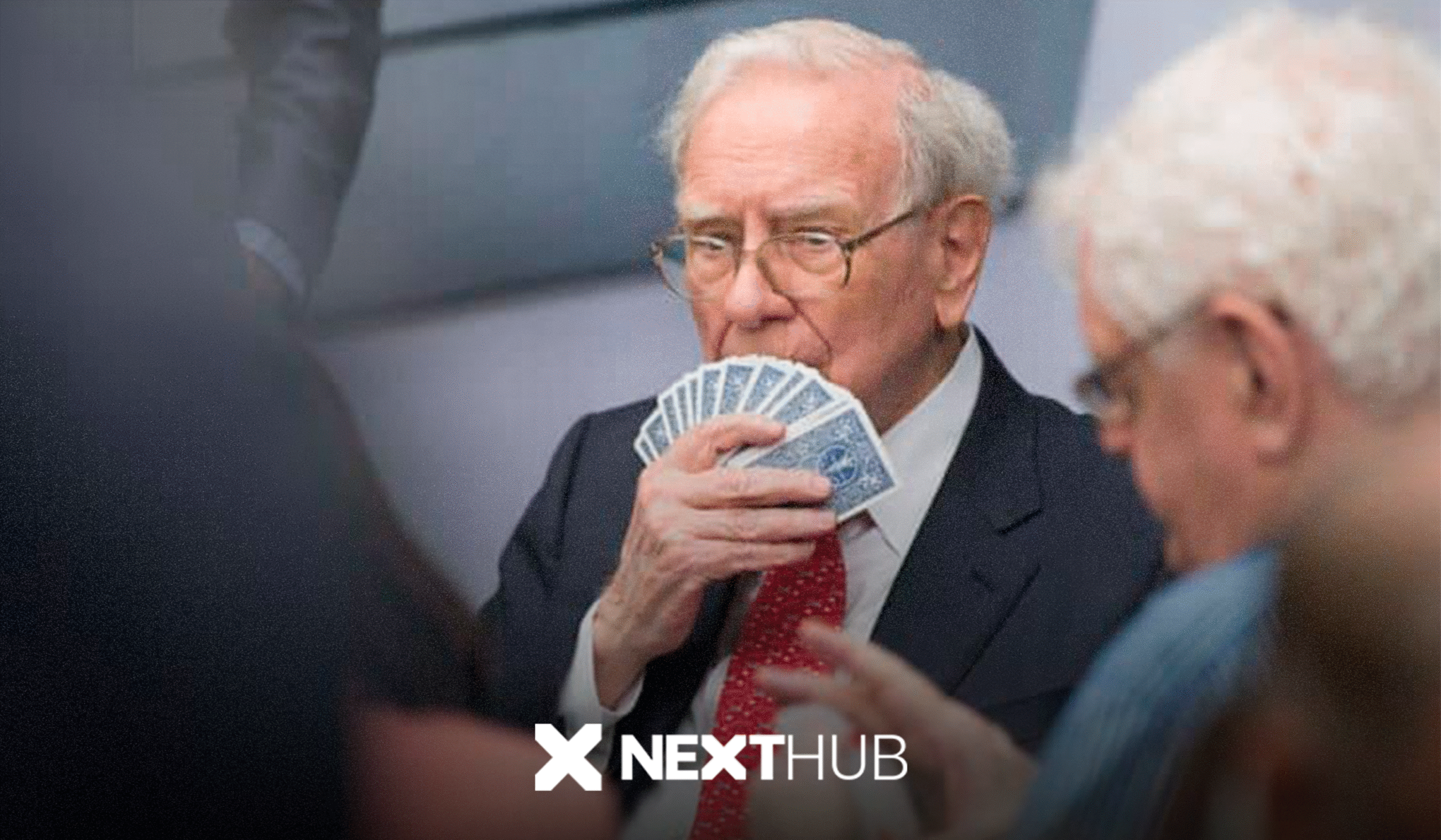
Have you ever thought about how much poker and finance have in common? Although at first glance they seem completely different, the truth is that there are many strategies and skills that apply to both. Let’s chat a little about how poker principles can help you in the financial world and vice versa. In poker, every time you play a hand, you’re taking a risk. You have to analyze the odds of winning with the cards you’re holding and decide how much you want to bet. The same thing happens in finance. Investors assess risks before putting their money into a stock or project. Knowing how to manage risks is essential to avoiding losses and maximizing profits. One of the biggest similarities between poker and finance is making decisions with limited information. In a poker game, you don’t know what cards the other players are holding. In investing, you never have all the information about a company or the market. Learning to make decisions under these uncertain conditions is crucial to success. Poker is a game where staying calm is essential. If you let your emotions get the better of you, you’re likely to make costly mistakes. The same thing happens in finance. Decisions based on fear or greed often lead to poor results. Keeping a cool head and following a well-thought-out strategy is key in both poker and investing. In both worlds, strategy is everything. In poker, successful players have a plan based on their opponents’ tendencies and probabilities. In finance, successful investors develop diversified, long-term investment plans. Good planning and disciplined execution are essential for success. You never stop learning, both in poker and in finance. Good poker players are constantly improving their skills, learning new strategies, and analyzing their games. In the financial world, ongoing education about markets, financial products, and economic trends is vital to staying competitive. Poker and finance, although different, share many important principles. Risk management, decision-making with incomplete information, emotional control, strategy, and continuous learning are essential skills in both fields. Applying these poker lessons to finance can improve your investment approach and increase your chances of success.
How Poker Can Improve Your Financial Management Skills

Poker isn’t just a card game; it’s an experience that can offer valuable life lessons, especially in financial management. From bankroll management to decision-making under pressure, poker teaches skills that can be transferred to managing your personal finances. In this article, we’ll explore how poker can improve your financial management skills and help you make smarter decisions with your money. 1. Bankroll Management Lesson: In poker, proper bankroll management is crucial for long-term survival. Successful players know how much they can risk in each session without compromising their total bankroll. Financial Application: Similarly, in life, it’s essential to maintain a budget and make sure you don’t spend more than you can afford. Setting clear limits for different expenses can help you avoid debt and save for the future. 2. Risk and Reward Assessment Lesson: Every poker hand involves an assessment of risks and rewards. Players should consider the probabilities of success and potential profits before making decisions. Financial Application: In financial management, it’s critical to evaluate investments and opportunities in the same way. Before making an investment, consider the risks and potential rewards, and make sure they align with your long-term financial goals. 3. Emotional Control Lesson: Poker requires strict emotional control. Players who act on impulse or let emotions influence their decisions often lose. Financial Application: Staying calm and making rational decisions is equally important in financial management. Avoid impulsive money decisions, such as emotional purchases or panic investments. 4. Decision-Making Under Pressure Lesson: In poker, you often have to make quick decisions under pressure, based on limited information. Financial Application: Financial life can also present situations where you need to make quick decisions. Developing the ability to analyze quickly and make informed decisions can be very beneficial. 5. Adaptability and Flexibility Lesson: Poker is a dynamic game where conditions are constantly changing. Successful players are those who can adapt to new situations and adjust their strategies. Financial Application: Life and finances are also unpredictable. Being flexible and adapting to changes in your financial circumstances, such as job loss or unexpected expenses, will help you maintain stability. 6. Discipline and Patience Lesson: Poker requires discipline and patience. Players must wait for the right moment to act and not rush into things. Financial Application: Discipline and patience are equally essential in financial management. Save regularly, invest for the long term, and avoid seeking quick profits. Conclusion Poker is more than a game; it’s an educational tool that can significantly improve your financial management skills. By applying the lessons learned at the poker table to your personal finances, you can make more informed decisions, better control your spending, and achieve your long-term financial goals. For more tips on how to improve your financial skills and poker strategies, stay tuned for our blog.
The Secret to Financial Success in Poker

Poker isn’t just a game of chance; it’s a discipline that combines strategy, skill, and financial management. For those seeking financial success in poker, it’s crucial to understand and apply certain principles that can maximize their profits and minimize their losses. In this article, we’ll reveal the secret to financial success in poker and how you can apply it to your game. 1. Efficient Bankroll Management Key to Success: Bankroll management is the cornerstone of financial success in poker. It involves properly managing your playing money to avoid bankruptcy. How to achieve it: Set a specific bankroll and never play with money you can’t afford to lose. Divide your bankroll into parts and allocate a fixed amount for each gaming session, ensuring you don’t risk more than 5% in a single session. 2. Knowledge and Constant Study Key to Success: Successful poker players never stop learning. Constantly studying strategies and tactics is essential to staying competitive. How to achieve it: Spend time regularly reading poker books, watching educational videos, and participating in discussion forums. Analyze your hands and learn from your mistakes and successes to continually improve. 3. Emotional Control How to achieve it: Staying calm and making rational decisions is essential. Impulsive decisions based on emotions can lead to huge losses. How to Do It: Develop techniques to maintain composure during the game. If you feel frustrated or angry, take a break. Meditation and other stress management methods can also be helpful. 4. Discipline and Patience Key to Success: Discipline and patience are essential in poker. Playing only the best hands and waiting for the right moment to act is crucial. How to Do It: Learn to be selective with the hands you play and avoid the temptation to participate in every hand. Patience will allow you to take advantage of the best opportunities and maximize your long-term profits. 5. Risk assessment Key to Success: Evaluating risks and probabilities in every situation is a vital skill. Making calculated decisions can mean the difference between winning and losing. How to achieve it: Familiarize yourself with poker probabilities and math. Use this information to evaluate each play and make informed decisions that minimize risk and maximize reward. 6. Adaptability Key to Success: Poker is a dynamic game where conditions can change rapidly. The ability to adapt to new situations is crucial. How to achieve it: Develop a flexible strategy that you can adjust based on your opponents’ behavior and game conditions. Always stay alert and ready to change tactics when necessary. Conclusion Financial success in poker isn’t a matter of chance, but rather the result of careful bankroll management, a deep understanding of the game, strong emotional control, discipline, patience, and consistent risk assessment. By applying these principles, you can improve your skills and increase your chances of success in poker. For more tips and advanced strategies, follow our blog and discover how to become a more successful and financially secure poker player.